Fishing Equipment Maintenance: Advice to Maximize the Durability of Your Tools
Fishing gear maintenance is essential for anglers who want to improve their experience on the water. Proper handling can substantially extend the lifespan of rods, reels, and tackle. Regular inspections and cleaning routines are vital in functionality. Also, organized tackle boxes and seasonal inspections can prevent unexpected failures. Knowing how to maintain each component is key. What defined practices can help guarantee that fishing gear continues to be in prime condition?
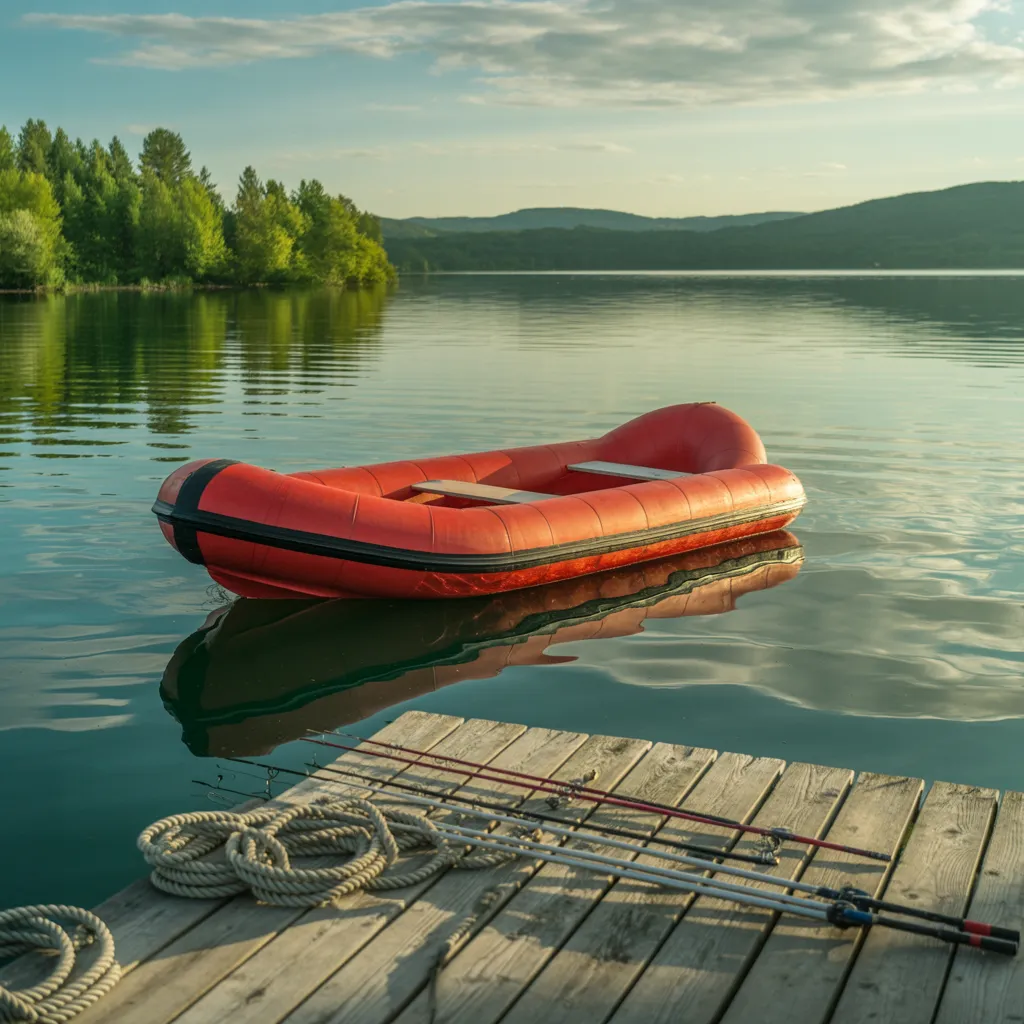
Instructions to Care For Your Fishing Rods
Adequate servicing of fishing rods is essential for maintaining long-term durability and superior performance. Periodic inspection is critical; anglers should assess for any signs of wear, such as fissures or chipping. Wiping the rod after each outing helps remove dirt and sodium chloride, which can degrade parts over duration. A soft rag and soft suds suffice for routine washing.
In addition, storing rods in a moisture-free environment prevents harm from humidity and extreme temperatures. Utilizing rod socks or cases protects them from unexpected impacts and marks. Avoid putting heavy objects on top of rods in storage, as this can lead to bending or breaking.
Furthermore, attention to rods' guides is vital; ensuring they are clean and not frayed enhances cast length and accuracy. By following these tips, anglers can upkeep their fishing rods efficiently, ensuring they remain reliable tools for many seasons of fishing adventures.
Strategies for maintaining Your Fishing Reels
Keeping fishing reels in proper condition is vital for superior performance and long-term durability. Routine cleaning done after each use, oiling moving components, and assessing for defects represent essential techniques that strengthen working efficiency. By executing these recommendations, anglers can verify their reels remain in top-notch working order for each angling adventure.
Rinse Down After Each Use
Keeping fishing reels clean after each use is important for protecting their life expectancy and performance. Saltwater, dirt, and debris may collect during fishing trips, leading to corrosion and reduced functionality. Anglers should rinse their reels with fresh water, ensuring all surfaces are thoroughly cleaned to clear away any foreign matter. A soft cloth can gently wipe down the exterior, while a gentle brush can dislodge stubborn particles from crevices. Special care should be paid to the spool and line, since residues can impact casting efficiency. After rinsing, it is essential to dry the reel fully to avoid moisture buildup. This practice not only boosts performance but also significantly extends the lifespan of fishing reels, providing reliable use for many seasons.
Oil Mobile Components
Following a thorough cleaning of fishing reels, focus shifts to lubricating the working mechanisms to maintain optimal function. This step is crucial for preserving the reel’s efficiency and longevity. Using a quality fishing reel lubricant, anglers should apply a light coating to bearings, gears, and other critical parts. Care must be taken to avoid excess lubrication as it can attract dirt and debris. A fine applicator assists in reaching tight spots without too much. Furthermore, it’s recommended to wipe off any excess oil post-application. Consistent lubrication reduces friction, guaranteeing the reel functions smoothly during casting and line retrieval. By implementing this maintenance approach, anglers can extend the effectiveness and life span of their fishing reels, allowing for more pleasant fishing experiences.
Assess for Damage
Inspecting fishing reels for defects is an essential step in ensuring peak performance. Regular checks help detect damage that can affect functionality. Anglers should examine the reel's body for cracks or dents, which may compromise its integrity. The spool should be inspected for any signs of warping or uneven surface, as these can hinder line retrieval. Additionally, the drag system must be checked for functionality; any sticking or grinding signals potential issues. Finally, attention should be given to the bail mechanism, ensuring it opens and closes smoothly. By carefully inspecting these components, anglers can address minor issues before they escalate, ultimately prolonging the life of their fishing reels and enhancing their overall fishing experience.
Steps to Maintain Fishing Lines for Best Functionality?
Proper maintenance of fishing lines is essential to guarantee peak performance during each outing. Regular upkeep greatly enhances the longevity and effectiveness of these crucial parts. To wash fishing lines, anglers should first detach the line from the reel to make it easier to access and inspect. A mild rinse with fresh water can remove dirt and debris. For heavier dirt, a solution of warm water and mild soap can be used, applied with a soft cloth or sponge. After cleaning, it is key to wash off completely the line to remove any soap residue. Once dry, rewind the line onto the reel, making sure it is tight and free of twists. Additionally, using a line conditioner can help maintain flexibility and minimize line memory, thereby improving casting and overall performance. By following these basic steps, anglers will ensure that fishing lines stay in ideal condition for future adventures.
Tackle Box Arrangement Recommendations
Skilled fishing requires not only well-maintained lines but also a orderly tackle box. A competent tackle box facilitates anglers to readily retrieve primary equipment, enriching their fishing experience. First, partition tackle by type: lures, hooks, weights, and tools should each have specific compartments. Using diminutive translucent organizers within the tackle box can help keep smaller items from becoming tangled or lost. Stickers can also streamline the process, allowing for simple identification and retrieval.
Additionally, fishermen should frequently check and discard any outdated or damaged gear, guaranteeing only functional gear is kept. Think about implementing customizable storage solutions that provide adjustable sections, adjusting to different fishing styles or environments. Finally, maintaining a inventory list of required gear can direct arrangement and replenishment, making getting ready for angling excursions more efficient. By implementing these storage strategies, anglers can make the most of their hours on the water and enhance their overall fishing success.
Seasonal Maintenance for Fishing Gear
Consistent upkeep proves essential for ensuring fishing gear in ideal condition throughout the year. As spring approaches, anglers should follow a prep guide to outfit their equipment for active fishing seasons. Similarly, proper winter storage tips are necessary for defending gear during the off-season.
Spring Maintenance Guide
When spring arrives, anglers frequently understand the value of a thorough prep checklist for their angling equipment. First, they must inspect rods and reels for any indications of deterioration, guaranteeing all components function correctly. Next, it's essential to maintain and oil reels, removing old line and replacing it with fresh, suitable monofilament or braided line. Additionally, checking tackle boxes for rusted hooks and broken lures is crucial; replacing these items can improve fishing success. Anglers should also examine waders, nets, and other accessories for tears or leaks, making sure everything is in working order. Finally, organizing gear and confirming all necessities are ready promotes an easy beginning to the fishing season. Proper preparation enhances the overall fishing experience.
Winter Preservation Advice
Proper off-season storage is important for keeping the longevity and performance of fishing gear. Anglers should commence by thoroughly cleaning all equipment, clearing away dirt, salt, and moisture that can lead to corrosion. Rods should be stored in a temperature-controlled, dry place, ideally in a vertical position to prevent warping. Reels require a small amount of oil to assure smooth operation when spring arrives. Line should be removed and replaced, as old line can degrade over time. Tackle boxes and lures should be kept tidy and checked for damage, confirming that everything is in working order. Finally, consider using protective covers for larger items, shielding against dust and potential damage. Following these steps will help protect fishing gear for the next season.
When should you replace your gear?
Knowing when to swap out fishing equipment can considerably enhance the angling experience. Recognizing signals of wear similar information and tear is vital. Rods may display cracks or splintering, signaling they are no longer reliable. Reels can become difficult to crank or may display evidence of rust, indicating it’s time for a replacement. Lines that fray or lose tension undermine fishing success; therefore, they should be replaced regularly.
Additionally, confront boxes that are damaged or missing compartments compromise structure and productivity. Anglers should also examine the age of their apparatus; obsolete gear may not execute as proficiently as newer technology. Ultimately, updating equipment before it fails warrants a more pleasant fishing trip and diminishes frustration on the water. Frequent reviews of gear condition can thwart unexpected setbacks and amplify overall capability, allowing anglers to focus on the thrill of the catch.
Common Questions That Are Frequently Posed
How Regular Should My Inspections of Fishing Gear for Damage Be?
Inspecting fishing gear for damage should occur regularly, preferably before each trip. Regular inspections help detect possible problems early, ensuring equipment remains in great shape and improving the overall angling adventure while avoiding unexpected problems.
Should I Use Regular Soap to Sanitize My Fishing Equipment?
Using standard soap to wash fishing equipment is typically not recommended, as it may deposit buildup that affect performance. Professional-grade cleaners are recommended to ensure thorough cleaning without damaging delicate parts and surfaces.
What Should I Do if My Rod Gets Damaged?
If a fishing pole gets harmed, the individual should evaluate the extent of the harm, think about repairing it with suitable supplies, or contact a technician. Replacement may be essential for critical breaks or major foundational concerns.
Should You Keep Fishing Gear Safe in Extreme Temperatures?
Storing angling equipment in severe weather conditions is not secure. High heat can deform materials, while harsh freezing conditions can cause fragility. Proper storage in a regulated space helps preserve equipment longevity and functionality.
How Can I Keep Metal Components Without Rust?
To prevent rust on metal components, one should regularly clean and dry the equipment, apply protective coatings, keep items in a moisture-free location, and use rust inhibitors as necessary to maintain ideal condition.